
Guy Wagner
UNI 150: People you should know
The founder of UNI's first Curriculum Laboratory
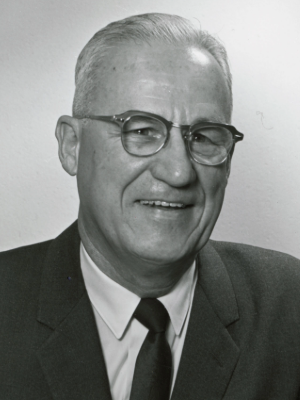 Guy Wagner transformed UNI’s teaching program, expanding access to low-cost classroom materials while shaping teacher education for decades through innovation and national influence.
Wagner’s connection to UNI began as a student, graduating from the Iowa State Teachers College in 1926 with a bachelor’s degree in Earth Science. He helped organize the first senior prom, leading 100 classmates in the inaugural Grand March, and was also active in athletics, playing on the football team and lettering in baseball.
In addition to his athletic involvement, Wagner championed academics. “I believe that this school does have spirit, but it is scholastic spirit, which should be as much admired as athletic school spirit,” he said.
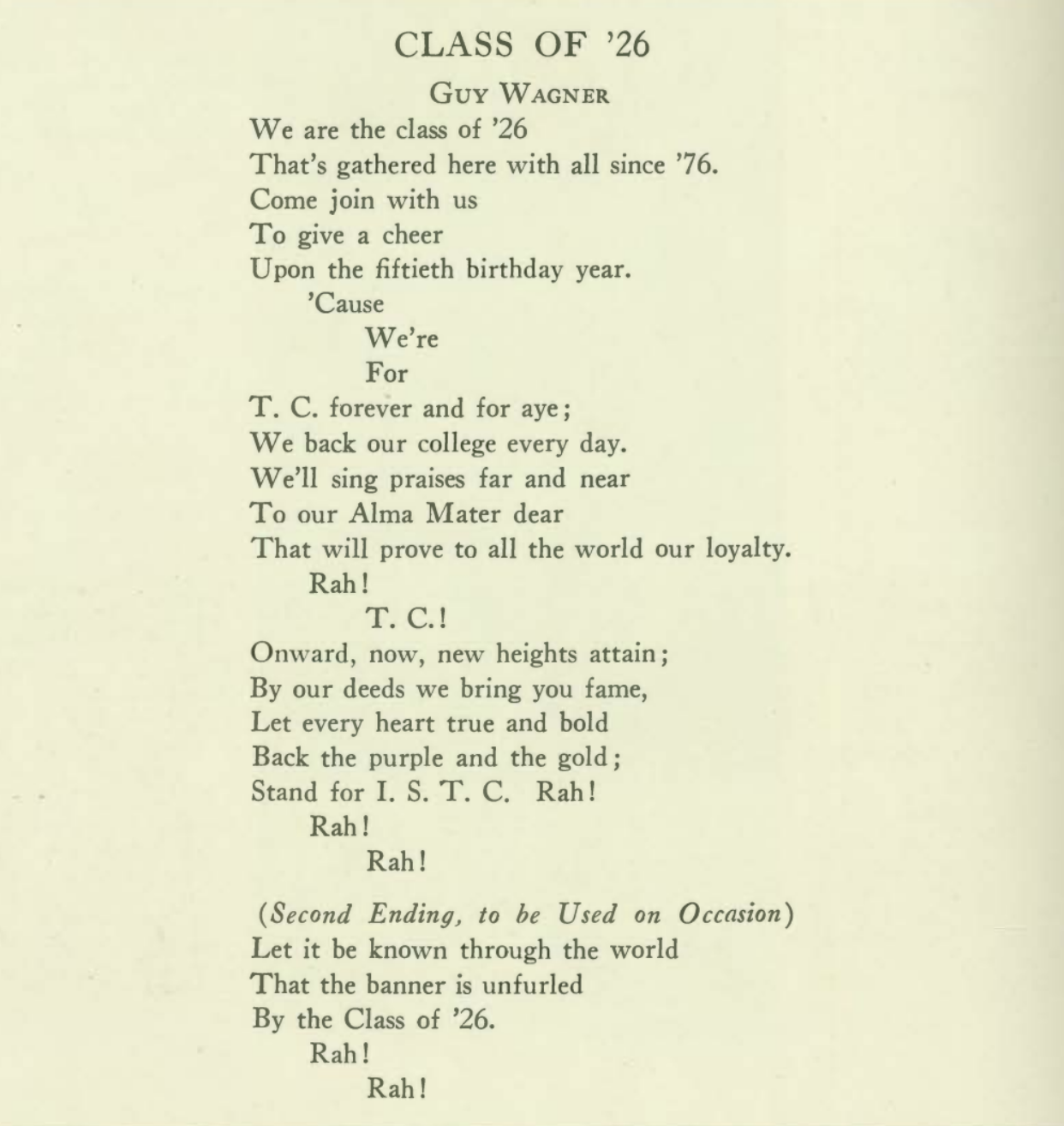
His peers recognized his leadership, electing him senior class president and naming him one of eight finalists in the 1926 Old Gold Popularity Contest. That same year, he contributed a poem to the class yearbook.
In 1941, Wagner returned to his alma mater to serve as director of the Malcom Price Laboratory School and head of the Department of Teaching. Within a few years, he established and began leading the university’s first Curriculum Laboratory in 1945, a role he held until his retirement in 1971.
The laboratory quickly became a core part of teacher preparation at UNI, housing hundreds of textbooks, pamphlets, pictures, teachers’ manuals, standardized tests, reporting forms, charts and posters. Wagner later expanded it to include an audio-visual center, providing upcoming educators with tools to enhance classroom instruction.
Beyond campus, Wagner contributed to widely used educational materials. He served as co-editor of the “Reader’s Digest” Builders series and co-authored several “Reader’s Digest” workbooks, which sold more than one million copies.
Wagner’s leadership extended into national service. At the onset of World War II, he established one of the first Campus School Defense Councils in the country and chaired the local Red Cross camp and hospital committee.


In 1947, the United States War Department selected him to teach public school curriculum and administration at a newly established Army University in England. His work drew high praise, with the university’s commandant noting that Wagner’s results were “a source of pride and gratification.”
The following year, Wagner led “The Iowa Plan for the Study of Atomic Energy,” the nation’s first statewide curriculum of its kind, allowing students to better understand atomic science and the past and future implications of the atomic bomb and living in a nuclear world. This program reached audiences across Iowa and beyond, with “Newsweek” describing it as “far in front” of other efforts to promote atomic education.
“Wagner was an amazing, energetic, visionary alum and then faculty member who became an educational innovator and leader,” said Barbara Lounsberry, UNI professor emerita of English, in one of the nominations he received. “Enrichment, creativity and fun (happiness) are the touchstones of Wagner’s legacy.”
Even after retiring, he remained deeply engaged with education, developing instructional materials and creating a monthly national magazine for teachers focused on bringing creativity and enjoyment into the classroom. Wagner also played a key role in university and community organizations, serving nine years on the UNI Foundation Board, including as its president.
Over the course of his career, Wagner published a total of 35 books with collaborators and authored more than 300 articles. Today, his contributions remain embedded in UNI’s teaching programs, including the current curriculum lab called the “TEACH Studio.”

Celebrate 150 years of the University of Northern Iowa by nominating individuals who have made a significant impact on our campus, community and beyond.