
Engineering the Future
Engineering the Future
As the demand for engineering professionals continues to grow, UNI is stepping up to meet that need – adding new programs, unveiling new spaces and welcoming a new leader for engineering on campus.

In January of 2025, UNI welcomed Stewart Carter to the role of chief applied engineering administrator. Carter will oversee the development of the Department of Applied Engineering (formerly the Department of Applied Engineering & Technical Management) at UNI, and foster industry partnerships to establish robust career pathways for students in these quickly-growing career fields.
Carter brings a wealth of experience and leadership to the newly-established Department of Applied Engineering.
“I am very excited about the creation of Applied Engineering at UNI and being selected to lead this effort,” Carter said. “The field of engineering has continued to grow over the last decade and is expected to grow at an even faster pace in the future. With the addition of the Applied Engineering department, UNI is now well positioned to be a part of this growth.”
UNI offers a variety of engineering-focused degrees, including automation engineering technology, electrical engineering technology and manufacturing engineering technology. In the fall of 2024, UNI welcomed students to its three newest programs: mechanical engineering technology, materials science engineering technology, and materials science & engineering.
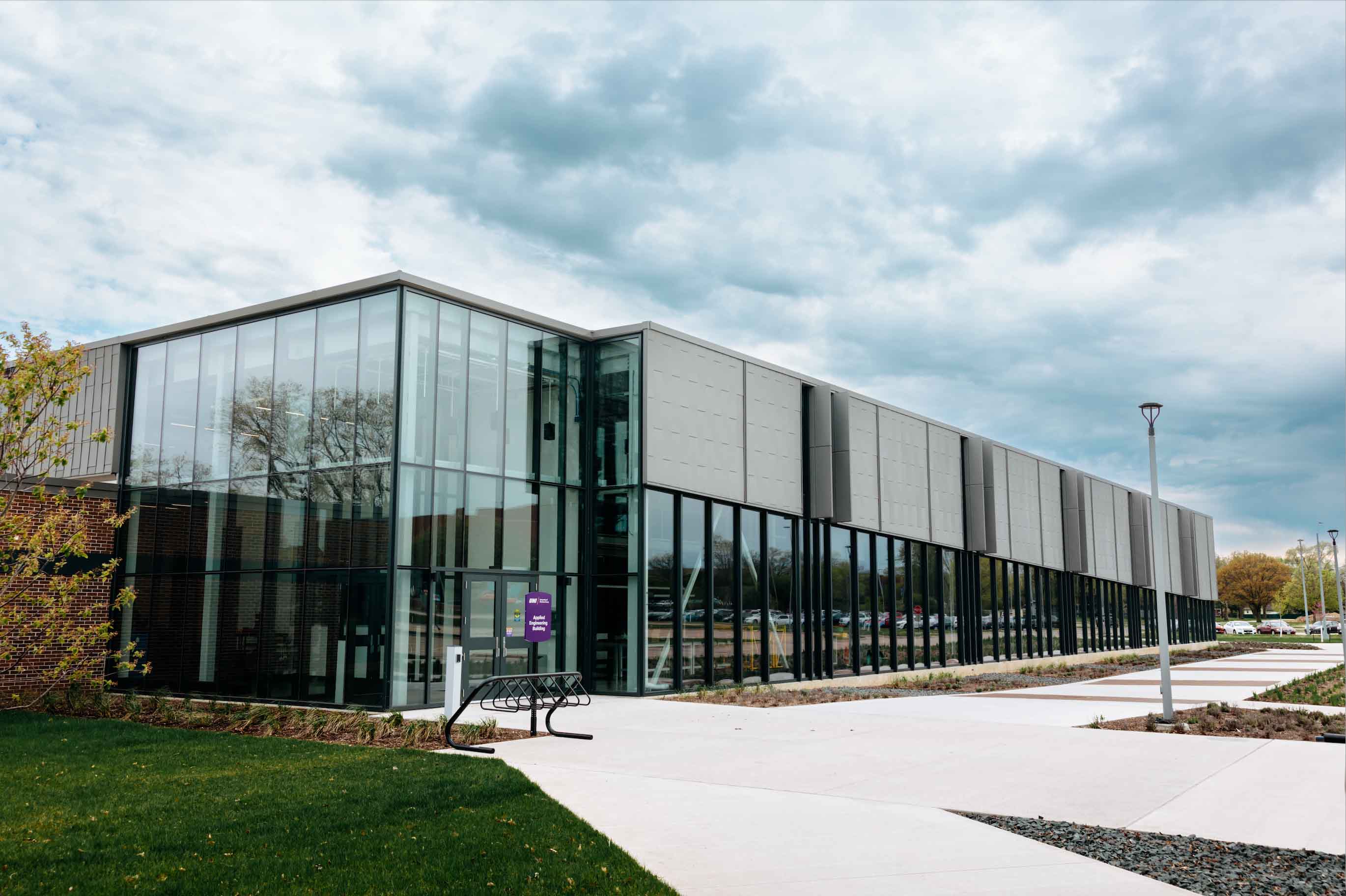
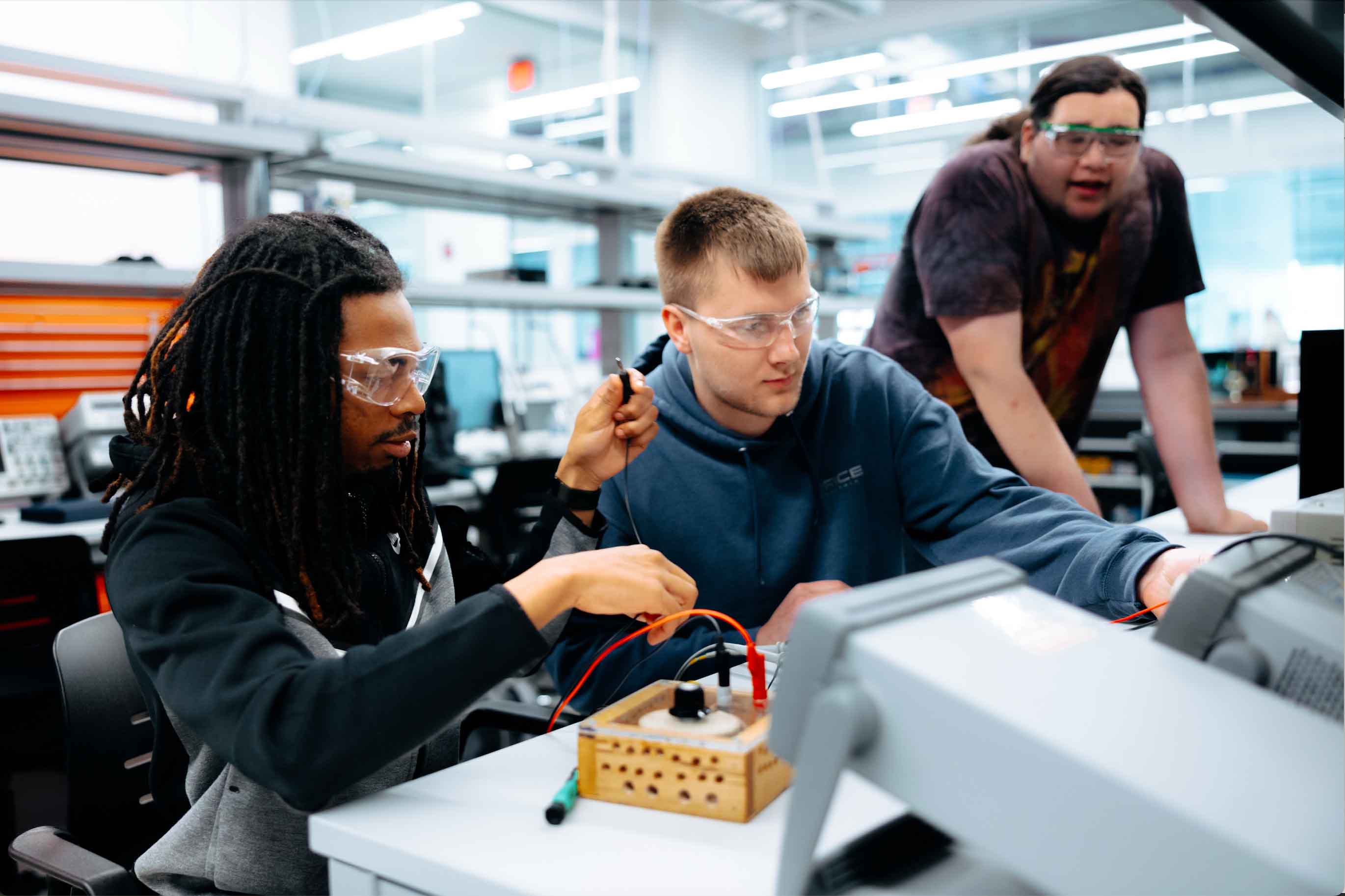
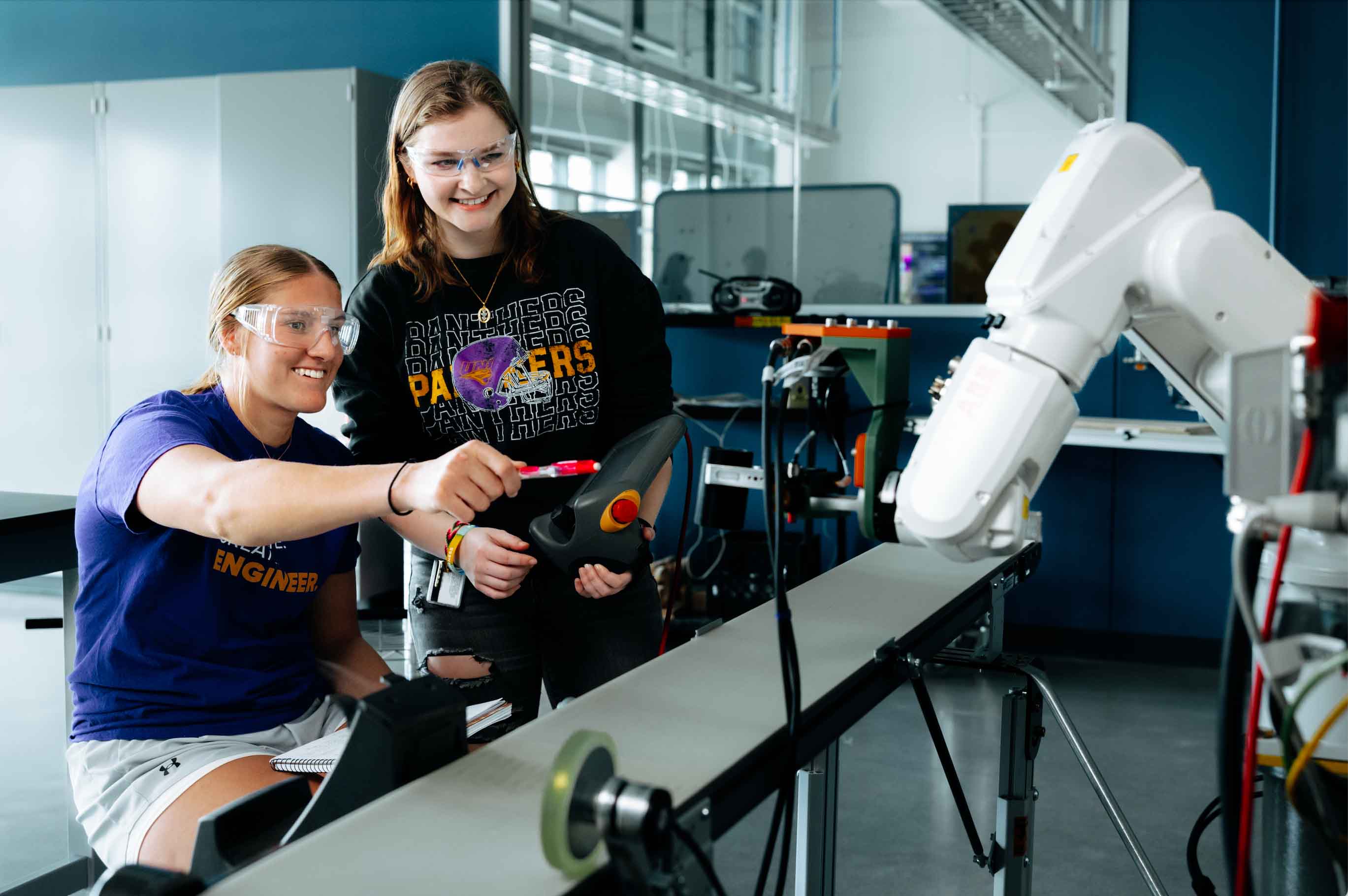
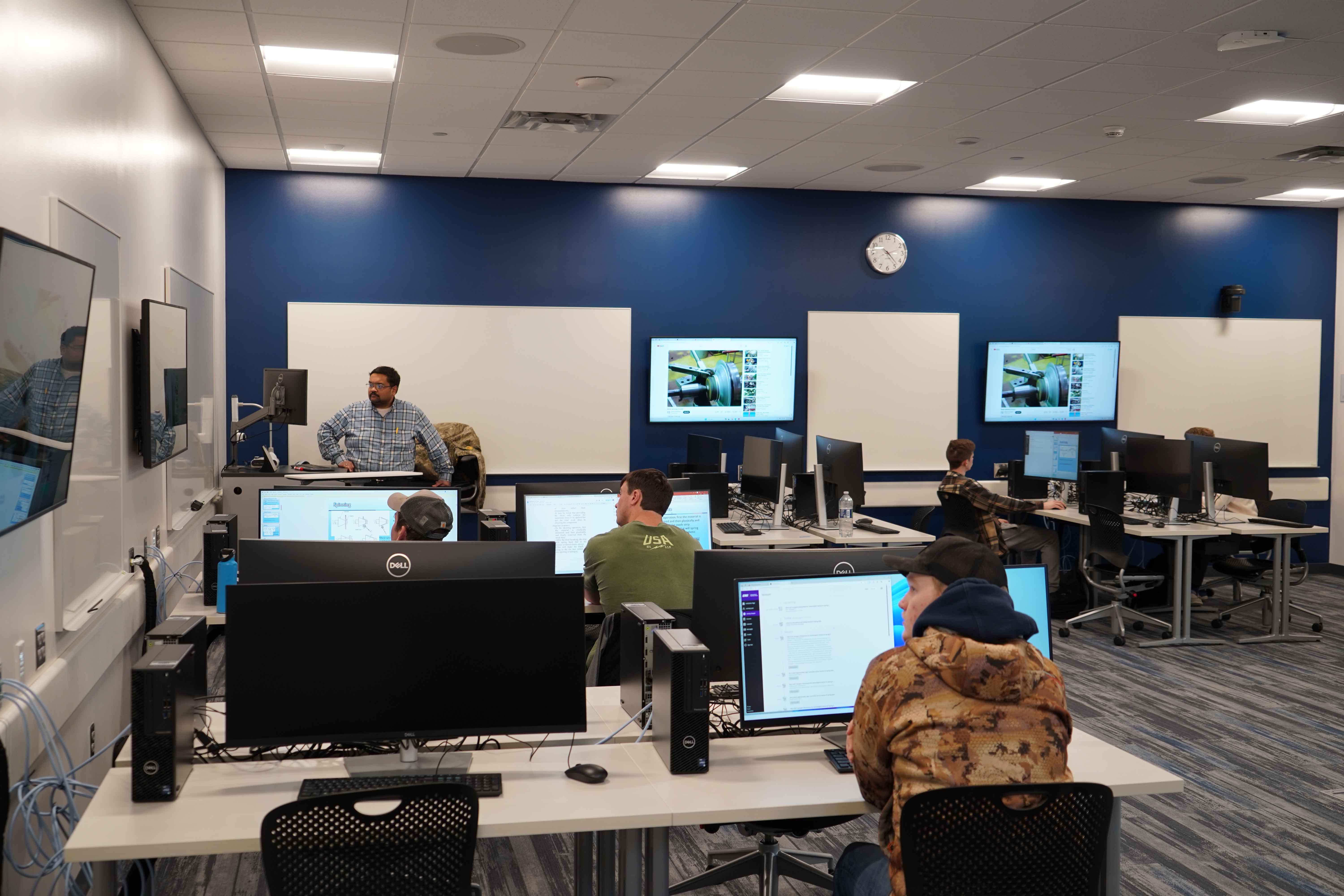
These engineering programs are housed in UNI’s newly-renovated Applied Engineering Building, which recently underwent a $44 million renovation and modernization project. The project expanded the size of the facility by nearly 50% – adding state-of-the-art labs, equipment, and learning spaces for students in the Department of Applied Engineering. Soon, the building will be home to the most modern metal casting foundry in the United States – a unique opportunity for students to learn and work in cutting-edge facilities.
“My vision is to leverage the success the program has had in the past, while charting a future that ensures the majors offered at UNI are relevant with industry requirements, both today and in the future,” said Carter. “I want prospective students to see UNI as an engineering university that offers a variety of engineering and technology majors. UNI's Applied Engineering program is a student-friendly learning environment that consists of hands-on application, smaller class sizes, state of the art labs and world class instructors."
Carter, an alumnus of the University of Northern Iowa’s MBA program, holds a Bachelor of Science in Mechanical Engineering from Southern University A&M and began his academic journey at Iowa State University. He has dedicated 34 years to John Deere in various leadership roles across engineering, manufacturing, operations, supply chain and logistics. In addition, he has been a committed advocate for education and community development, serving on advisory boards for the Wilson College of Business, Big Brothers Big Sisters of the Mississippi Valley and the National Society of Black Engineers.
“We extend a heartfelt welcome to Stewart Carter as he joins the UNI community,” said University of Northern Iowa President Mark Nook. “Applied engineering is another example of how UNI is evolving to provide the academic programs our students will need today and in the future. Stewart’s professional experience at John Deere, combined with the investment in UNI’s applied engineering by the state of Iowa and the business community demonstrates the continued collaborative spirit of helping UNI meet the ongoing workforce needs in our state.”
With Carter’s leadership and UNI’s state-of-the-art facilities, the University of Northern Iowa is poised to meet Iowa's engineering workforce needs now, and well into the future.