

From Peru to a UNI engineering degree
From Peru to a UNI engineering degree
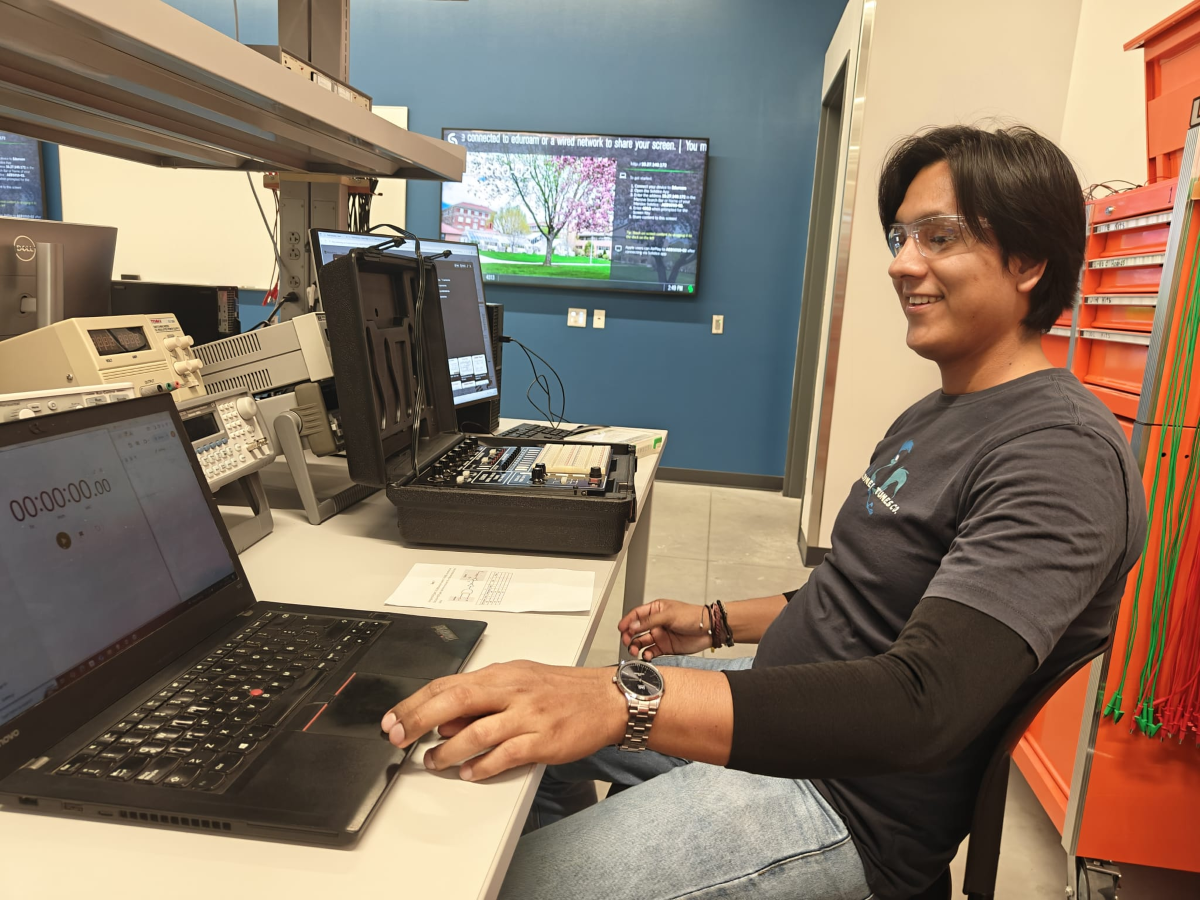
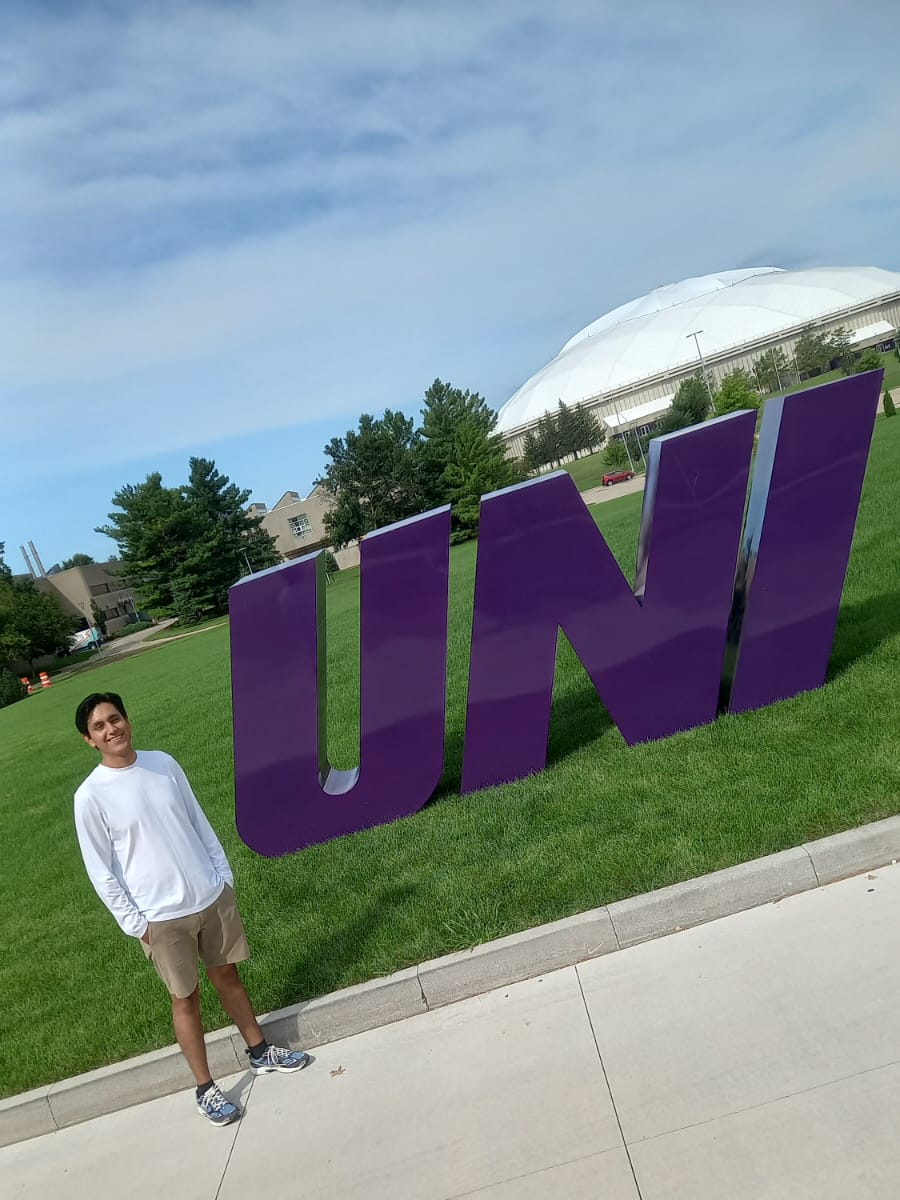
When Daniel Chapilliquén arrived on campus at the University of Northern Iowa, he brought with him years of engineering preparation, international perspective and the ambition to build solutions that solve real-world problems.
His journey began at Universidad de Piura (UDEP), where he built a foundation of industrial and systems engineering. Through a pathway agreement between UDEP’s College of Engineering and UNI’s Applied Engineering program, qualified students can transition from a bachelor’s degree in Peru directly into graduate study at UNI. Chapilliquén is the first graduate student admitted through this pathway – a milestone for both institutions.
“At UDEP, I built a strong base of knowledge and skills in Industrial and Systems Engineering. At UNI, I joined new labs and adapted to a very hands-on style with many reports and projects,” he said.
Chapilliquén quickly found opportunities to apply classroom learning to real engineering challenges. His coursework and research include work with microcontrollers, digital electronics and Lean/Kaizen continuous improvement practices.
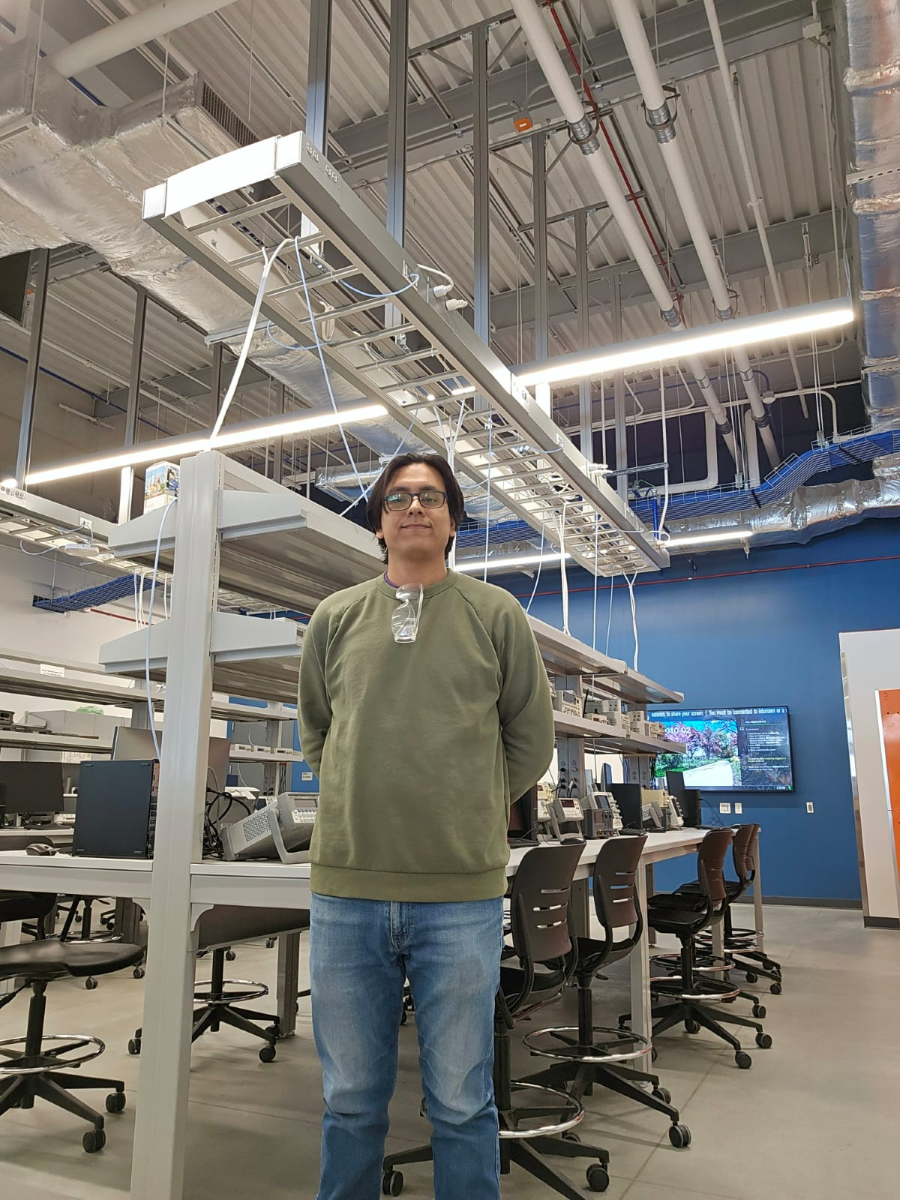
In addition to coursework, he serves as a graduate assistant, balancing research, teaching support and academics. He also assists undergraduate students in laboratory settings — an experience he says has strengthened both his technical expertise and leadership skills.
His work recently earned competitive recognition through UNI’s Graduate Research Awards for Student Projects. His research prototype focuses on a practical but often overlooked operational challenge: waste management efficiency.
“The prototype uses a distance sensor and a Wi-Fi-enabled microcontroller to measure the fill level of a trash bin. When the waste reaches a predefined threshold, the system automatically sends an email alert to a designated address, notifying staff that the bin is nearly full and should be emptied.”
The project demonstrates how low-cost electronics and internet-connected tools can improve everyday campus operations. Chapilliquén sees potential for expansion into multi-container monitoring systems to help institutions reduce unnecessary service trips and optimize cleaning routes.
As he continues his graduate studies, his focus remains on building deeper expertise in research, embedded systems, and computing while translating that knowledge into practical impact.
He hopes to publish research through a conference presentation or academic paper and plans to develop one or two working prototypes designed to solve real problems on campus or in the broader community.