
Students gather UNI history through the memories of alumni
Students gather UNI history through the memories of alumni
Throughout the UNI Sesquicentennial Celebration, keeping students engaged with the university has been a priority. The hope is that today’s students will gain an appreciation for the university they call home.
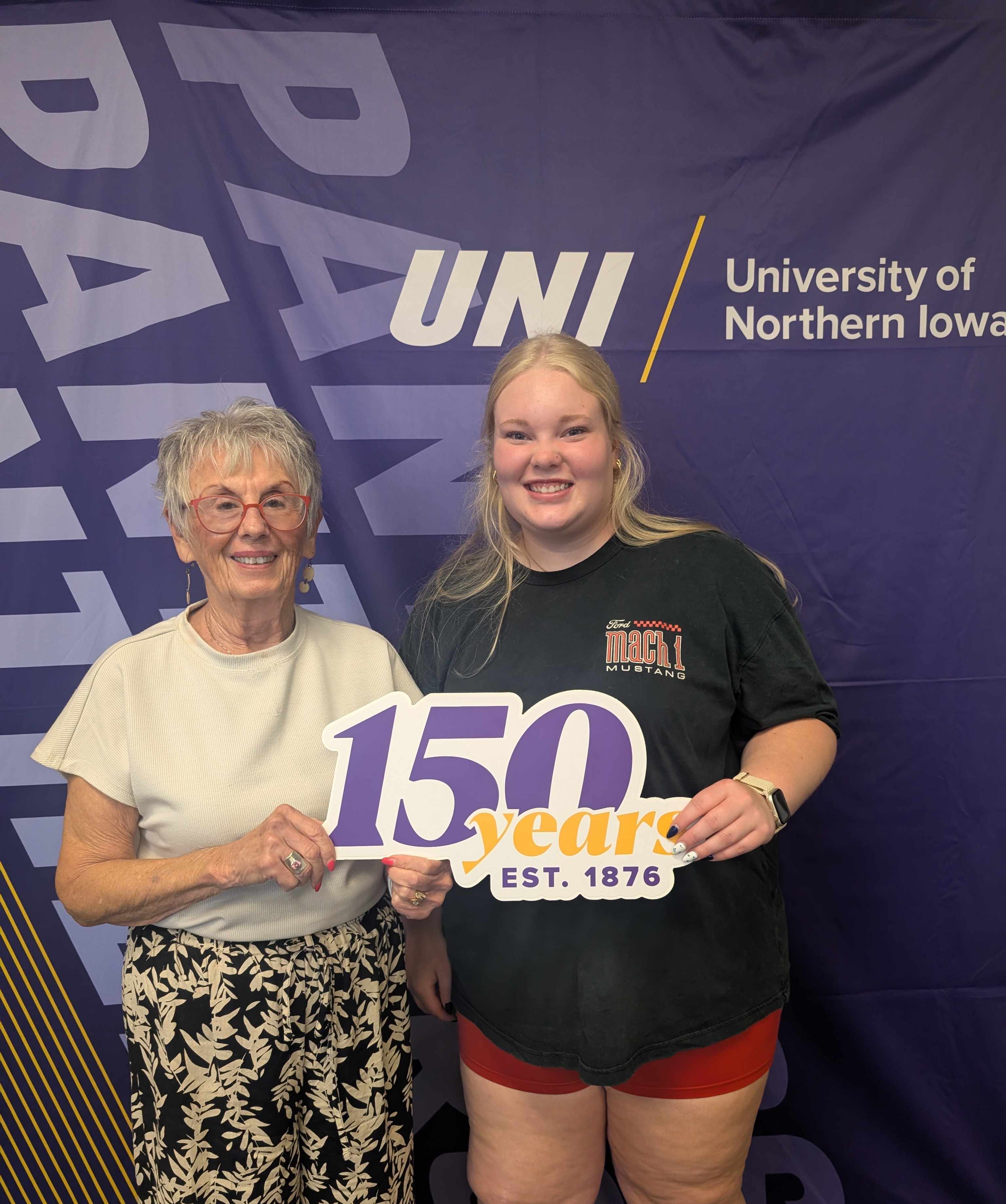
One family services course, taught by Assistant Professor of Gerontology Melinda Heinz, brings the legacy of UNI to life by pairing students with older alumni ranging in ages from 65 to mid-90s. Students then crafted posters and presentations about the life stories of the alums after conducting interviews on campus.
Along the way, Heinz and her students gained insight into UNI’s history. Through her alum’s time as a student and teacher, Ava McGreevy, a junior family services major with minors in psychology and mental health, learned about the Price Lab School. Heinz discovered a former tradition of students dressing up for Sunday dinners.
“I really didn't have a broad view of older adults before this,” said Neesa Striegel, a junior majoring in family services and minoring in mental health. “That’s a demographic I could be working with in whatever job I get after graduation. So I think just knowing that everyone does have a life and story to share, and that continues past a certain age has been helpful for me.”
Striegel learned about UNI through a different lens, as her alum attended UNI as a non-traditional student.
“I heard a lot about the culture of UNI through her explanation of being welcomed by her peers and never feeling judged as an older adult,” said Striegel.
The students also met with UNI Archives to hunt down photos of their alums from their college days. These photos not only made their way into the presentations but were also assembled in photobooks that were gifted to the alumni as a thank-you for their participation.
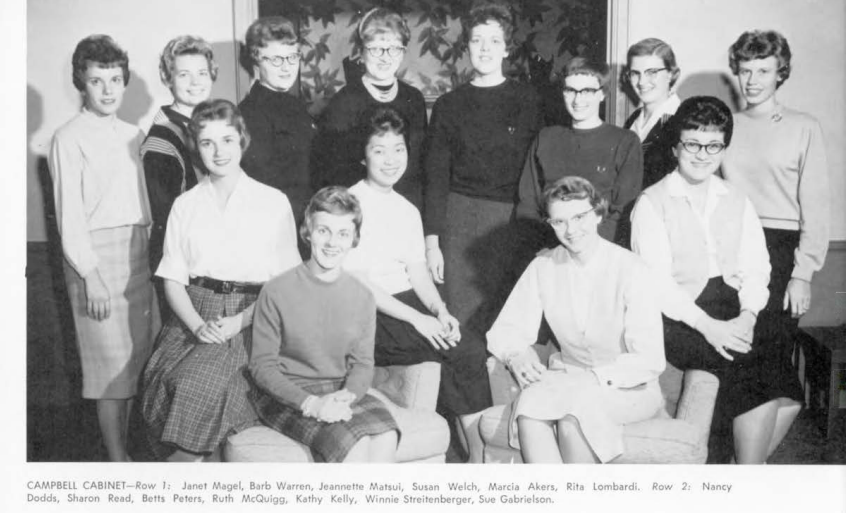
“Some of those photos I don't think that they had ever seen, or if they had, it was decades ago,” said Heinz. “One of the women was on the leadership team for Campbell Hall, so there was a photo of her along with many other women in the 1960s. We found that picture, the student put that in the photobook and then mailed it to the alum.”
The project also helped bring course concepts to life, including how major life events — such as divorce or the loss of loved ones — shape a person’s well-being over time. It also showcased the different theories of aging, which explain the different dimensions of growing older.
“Sally is involved in so many things in her life,” McGreevy said of her assigned partner, an alum in her late 60s. “She plays pickleball. She's involved in many of her church groups. She spends time with her family. So she's always doing something. Active aging is keeping your body and your mind moving, and that helps you live a longer life. Sally is a prime example of that.”
Heinz said a wide variety of students took this course from those majoring in family services to social work to interior design and pre-health. She believes any of these students can benefit from the skills they learned through this project.
“I think your ability to connect on a personal level with anybody is an invaluable skill,” she said. “It’s one of those soft skills we need more of. It forces you to think through things like how to find commonality with somebody you've never met when you just know you went to the same school. How do you develop a dialogue with that? That active listening and ability to ask appropriate follow-up questions to keep that conversation going is important no matter what field you're pursuing.”
For McGreevy, the skills she used to connect with Sally will stay with her long past the assignment’s completion date.
“Being able to connect with people and share experiences is really important in the family services field,” she explained. “So having just real-life experience talking to a complete stranger and creating a strong bond with them within not a lot of time is a skill I'll definitely be able to use moving forward.”
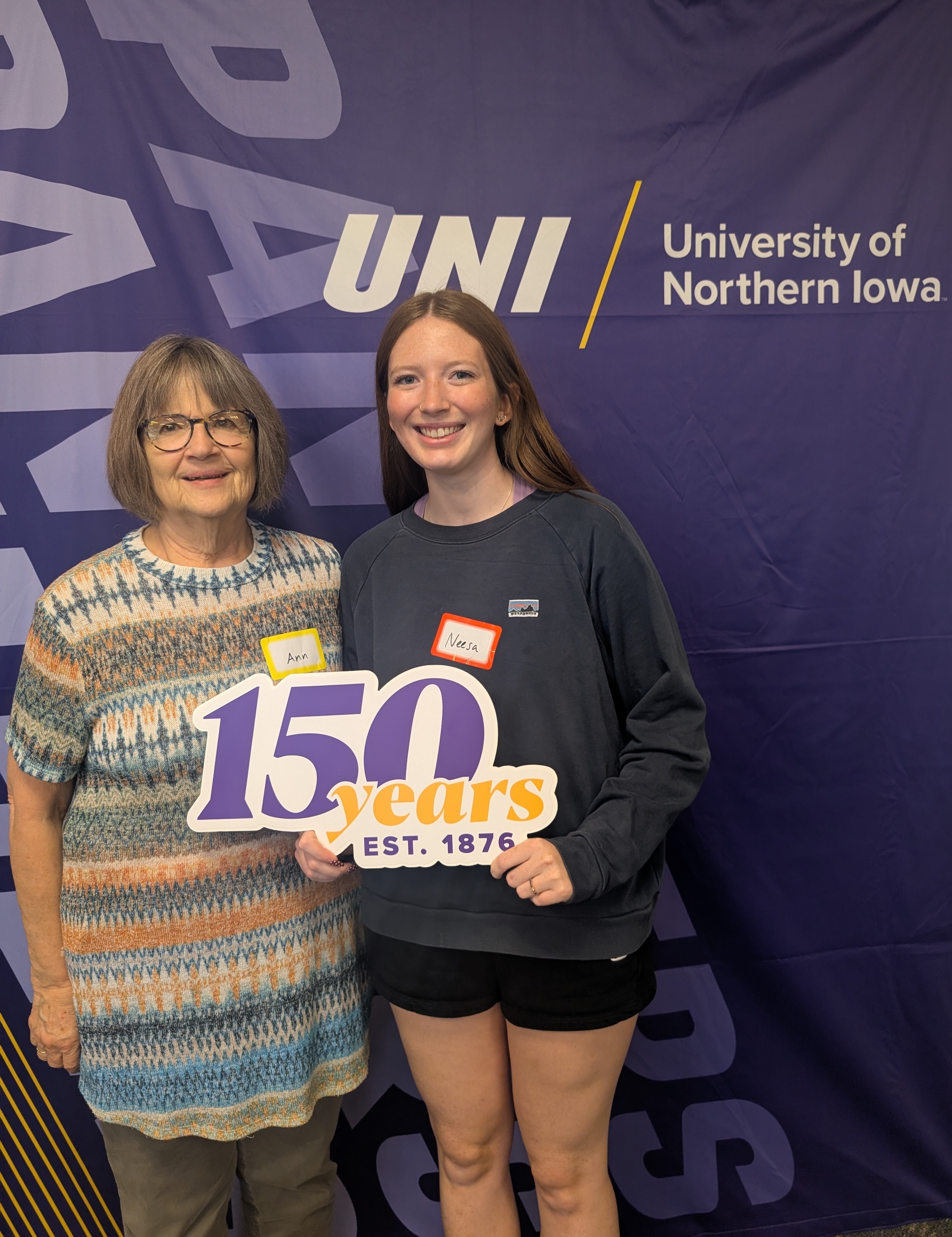
Each alum visited campus twice: once for an initial meet-and-greet and again for a recorded interview.
“My first impression of Ann was, right off the bat, it was like we knew each other,” said Striegel. “We clicked right away. We got into the deep questions right away. So it was pretty easy, flowed well and was comfortable.”
“I think in general I'm pretty good at connecting with others and finding something in common with them, but with Sally, I was really kind of nervous going into that first initial meeting with her,” said McGreevy. “But within five minutes of talking with her, it felt comfortable, and it felt like we have known each other for a long time.”
For some students, the connections didn’t end when the semester did. Striegel and Ann continue to email each other, a lasting reminder of the meaningful relationship that was built throughout the course.