

Iowa Board of Regents approves new bachelor’s degree in Special and Inclusive Education
Iowa Board of Regents approves new bachelor’s degree in Special and Inclusive Education
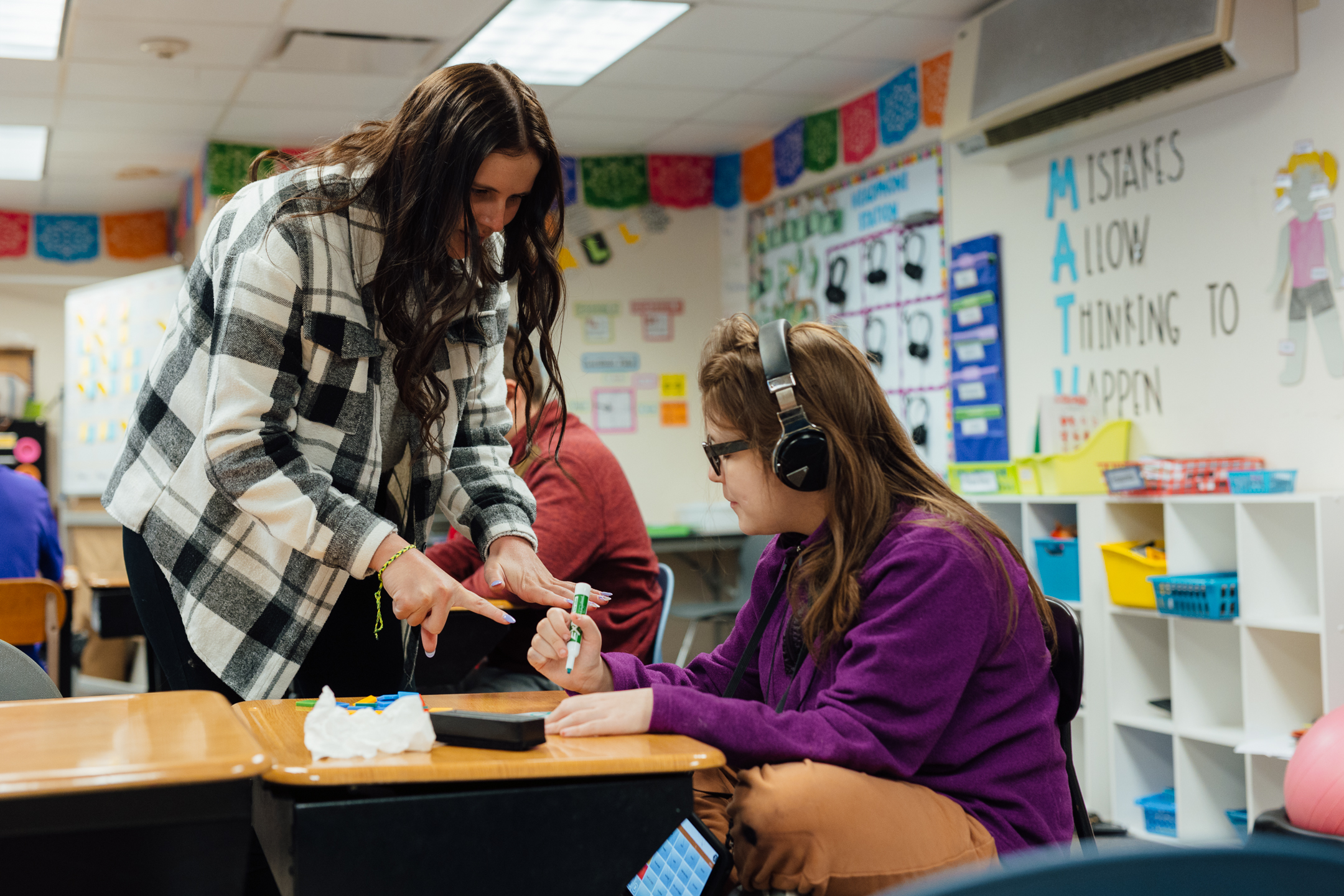
CEDAR FALLS, Iowa — The Iowa Board of Regents has approved a new Bachelor of Arts in special and inclusive education at the University of Northern Iowa, effective this fall, marking a significant step forward in preparing educators to meet Iowa’s ongoing demand for highly skilled special education teachers.
The new undergraduate degree builds on UNI’s long-standing strength in teacher preparation and expands opportunities for students seeking comprehensive training in special and inclusive education. While UNI has historically offered special education through a highly popular minor, the new major provides a deeper, more focused pathway that aligns with workforce needs and evolving instructional models.
Students currently minoring in special education can qualify for one of three teaching endorsements for the role of instructional strategist in Iowa schools. The major adds the flexibility of being able to fill needs in school districts for all three of these:
- Instructional Strategist I: Mild and Moderate K–8 (260)
- Instructional Strategist I: Mild and Moderate 5–12 (261)
- Instructional Strategist II: Intellectual Disabilities K-12 (264)
“We regularly hear from students who have an interest in a full major. We also know school districts not only have more openings to fill, but are seeking teachers who can work collaboratively across general and special education. This comprehensive degree provides everyone – future teachers and employers – additional flexibility,” said College of Education Dean Colleen Mulholland.
The program’s approval follows a change in Iowa state code allowing bachelor’s degrees in special education for the first time. Special and inclusive education majors are prepared to provide specialized support for students with disabilities or specific learning needs in both special education and general education classrooms.
“The reality is many classes today are team taught. Many special educators are co-teaching with general educators within a classroom, where each is focused on the same grade level and content, approaching teaching with a more inclusive approach,” said Sarah Vander Zanden, who heads the Department of Literacy, Early Childhood and Special Education overseeing the new program. “It’s cost-effective, while tailoring instruction to all kids.”
A major curricular update for UNI Teacher Education launched last fall identified an opportunity to do more in this area. In addition to a shared foundation in teacher education essentials, students will benefit from specialized coursework as well as internships and student teaching in a mix of grade levels, in general and special education classroom settings and with students with varying learning abilities.
“Our curricular transformation intentionally paired methods (how to teach) classes with internships. We have long done this within our special education minor. As a major, our students will get a breadth and depth of experience that ensures our graduates are exceptionally well prepared to support diverse learners,” said Vander Zanden.
While these majors are focused on special education, students can add additional general content areas such as literacy or math minors to further meet district needs.
Almost 1 in 5 on-campus elementary education majors along with some secondary education majors select the current instructional strategist minor. Vander Zanden expects that choice will continue for students who want to add skills to complement their primary teaching major.
“It’s not a case or one or the other, major or minor. Both work, depending on student interest. But we expect the incremental growth in this dedicated major to strengthen our ability to respond to a continuing high need area while also preparing future teachers for the collaborative instructional models of the future,” she said.
The program has a goal of enrolling 10 to 20 students per year, with an online option to complement existing early childhood and elementary education online transfer programs in future plans.
UNI prepares more teachers than any other institution in Iowa, with 99% of the College of Education’s recent teaching graduates employed or pursuing further education.
For more information, visit the degree webpage.


