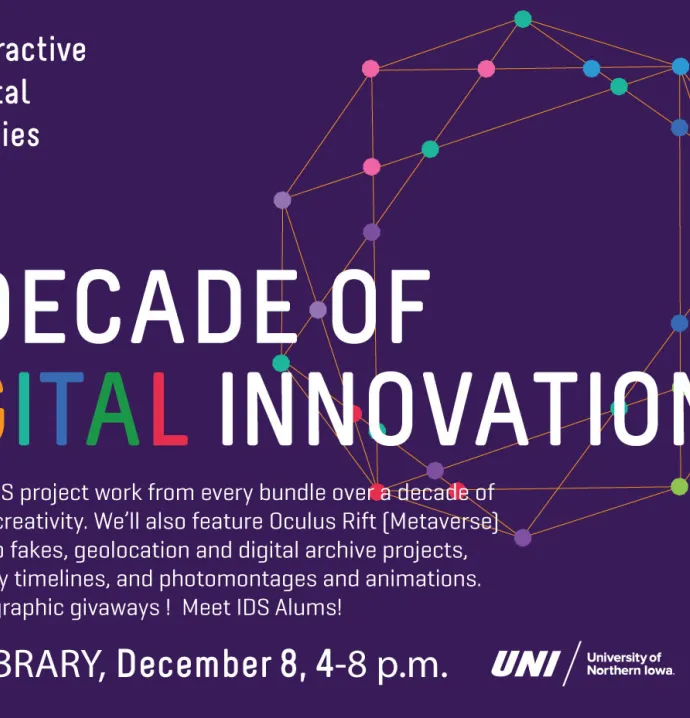
Come join IDS celebrate a Decade of Digital Innovation on December 8 from 4-8 p.m. in UNI’s Rod Library. Interactive Digital Studies faculty and students will exhibit project work over the past 10 years. Learn more about the major with exhibits featuring Oculus Rift (Metaverse) demos, deep fakes, geolocation and digital archive projects, visual history timelines, photomontages and animations, and dedicated booths for each of the IDS emphases.
For more than 35 years, Gretta Berghammer has been a key figure in the UNI Department of Theatre, and a champion for inclusive, accessible theatre.
After a seven year stint as department head in the ‘90s, Gretta took an active role in leading the department's theatre and drama for youth initiative, where she continues her involvement to this day.
The University of Northern Iowa will be investing $4.9 million into improvements for the Innovative Teaching and Technology Center (ITTC) following approval today from the Iowa Board of Regents.
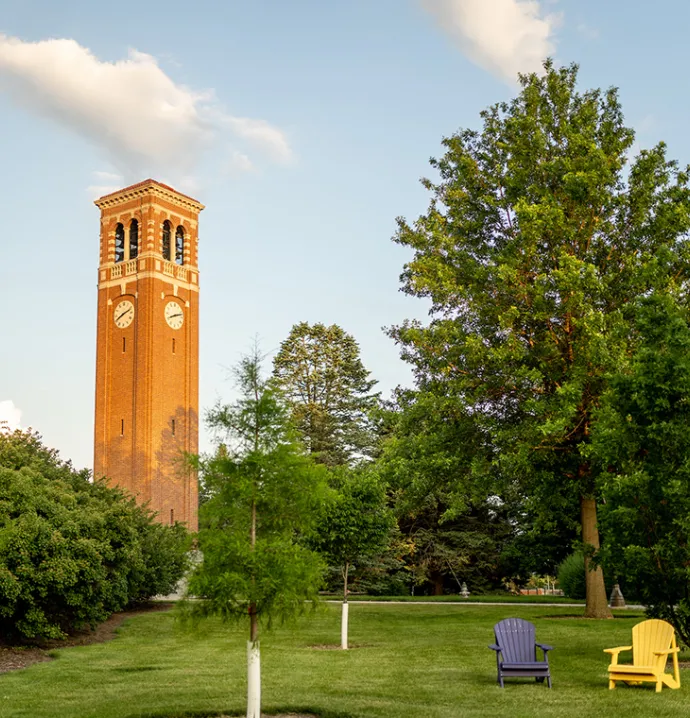
The funds will be used to repair and strengthen the ITTC’s roof, helping ensure the century-old building remains a campus resource for decades to come. UNI has a long history of building preservation and has spent tens of millions of dollars over the past two decades refurbishing facilities such as Lang Hall, Sabin Hall and Bartlett Hall.
"The Fractured Mind of Eric Coble" is TheatreUNI’s second production of the fall 2021 theatre season, and becomes available to the public online beginning Friday, Nov. 12.
Take a look around campus and you’ll find a Latinx Panther who’s making an impact at every level from faculty to staff to students. This week we’d like to introduce you to Juan Carlos Castillo, a professor in the Department of Languages and Literature who recently appeared in this video celebrating Latinx Heritage Month.
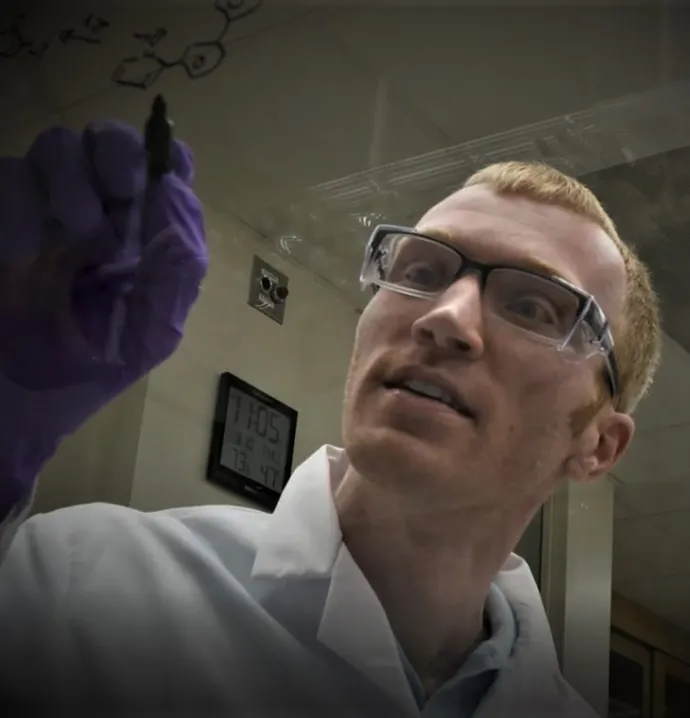
Named one of America’s top young chemists, UNI Alum Patrick Fier leverages his research expertise to lead Merck’s efforts to produce a COVID-stopping drug.
"Better Together" will be the theme of the 40th Annual Scholarship Benefit Concert, hosted by the UNI School of Music. The concert begins at 7:30 p.m. on Friday, Sept. 24 at the Great Hall in the Gallagher Bluedorn Performing Arts Center (GBPAC) on the University of Northern Iowa campus.
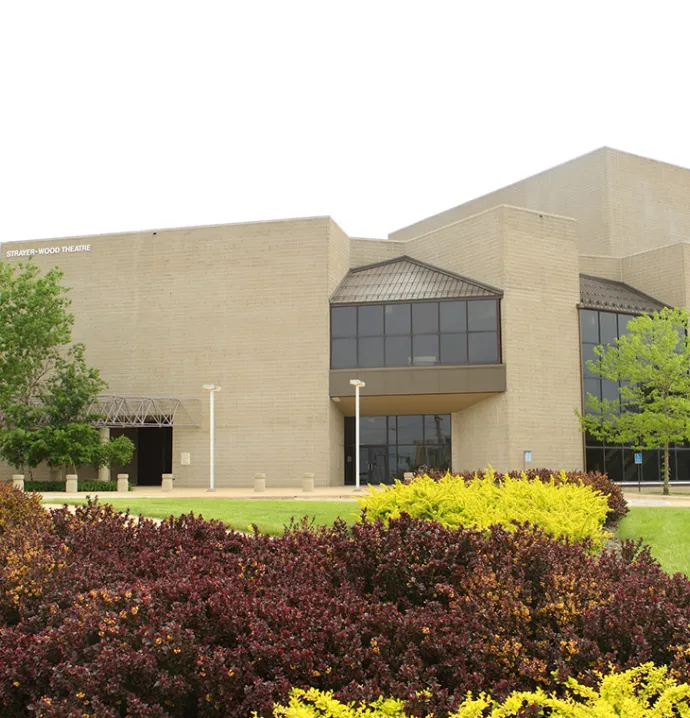
TheatreUNI will present “A Small Pair of Feet in the Middle of the Sea” by Kit Steinkeller at 7 p.m., Sept. 29 - Oct. 2 and on Oct. 3 at 2 p.m. in the Arts Triangle Courtyard on the University of Northern Iowa campus.


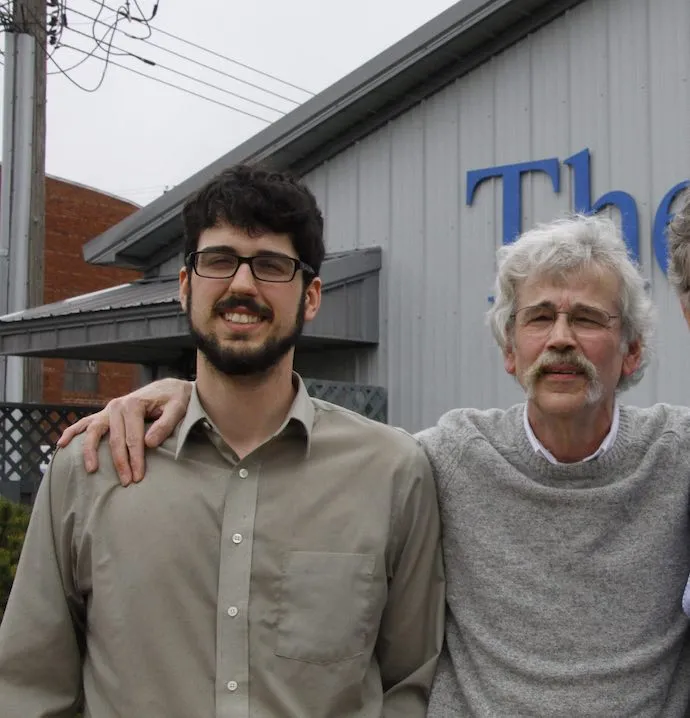

 For more than 35 years, Gretta Berghammer has been a key figure in the UNI Department of Theatre, and a champion for inclusive, accessible theatre.