
A new era: special and inclusive education BA broadens options
A new era: special and inclusive education BA broadens options
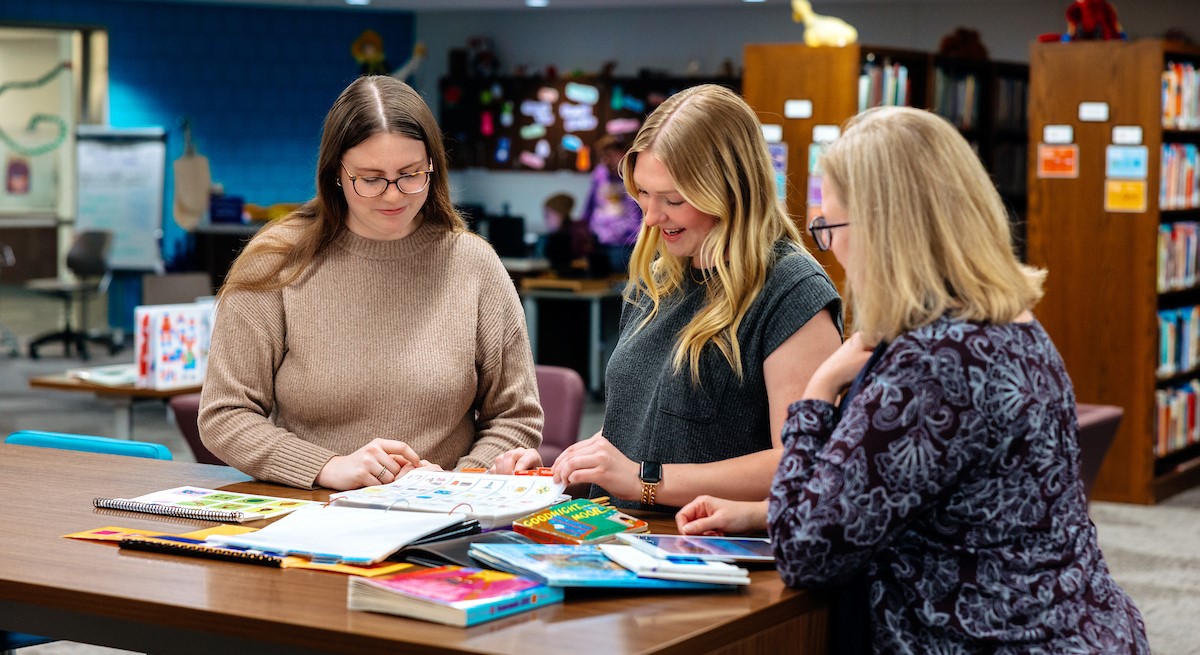
It’s the start of something new in the College of Education.
Earlier this year, the Iowa Board of Regents approved a new Bachelor of Arts degree in special and inclusive education at the University of Northern Iowa, which launched this fall. The program's approval follows a change in Iowa state code allowing bachelor's degrees in special education for the first time.
The degree marks a significant step forward in preparing educators to meet Iowa's ongoing demand for highly skilled special education teachers. It also builds on a longstanding and highly popular minor in special education teaching that leads to one of three endorsements, depending on a student's area of focus.
With the new special and inclusive education major, students will meet the requirements for all three endorsements: Instructional Strategist I: Mild and Moderate K–8, Instructional Strategist I: Mild and Moderate 5–12, and Instructional Strategist II: Intellectual Disabilities K–12.
“This degree expands what we offer,” said Sarah Vander Zanden, head, Literacy, Early Childhood and Special Education. “Three endorsements means a teacher could work in many classrooms, in many ways.”
The program also comes in response to student interest in a full major and feedback from school districts. District leaders report not only more special education positions to fill, but also a growing need for educators who can work collaboratively across general and special education settings. The comprehensive degree provides greater flexibility for both future teachers and the schools that hire them.
The need extends beyond filling vacancies. Today's classrooms are increasingly diverse, and educators at every level are expected to support students with a wide range of learning, behavioral, communication and social-emotional needs. As schools continue to prioritize inclusive learning environments, districts are seeking teachers who understand how to meet these diverse needs.
A key part of the program is its clinical experience, which enables students to get in the classroom and put their knowledge into practice.
“We expect our students to deeply understand theory, practice and application, and these clinical experiences play a big role in putting those pieces together,” said Vander Zanden.
A shift in the educational environment
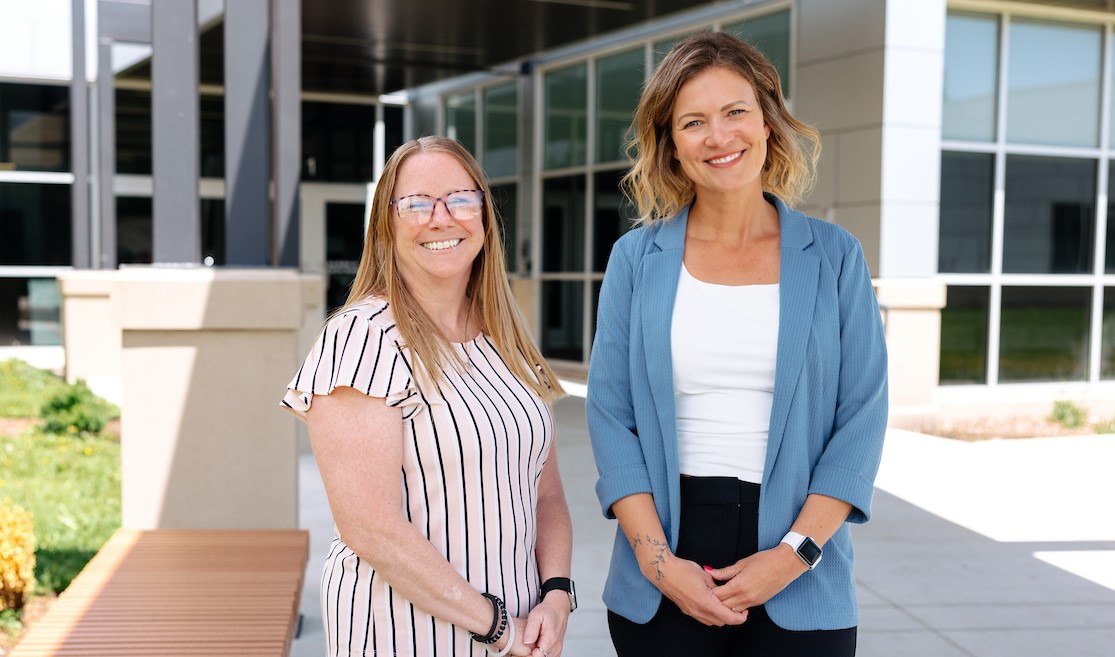
For graduates of the College of Education who are now leaders in the field, the new major reflects a broader shift in education—that special and inclusive practices are no longer confined to a single classroom or role, but necessary for educators across the profession.
Carrie Heinzerling ('98 BA, elementary education; '07 MA and ASC, principalship) currently serves as principal at Lowell Elementary in Waterloo. Over the course of her career, she has observed an increase in the complexity of student needs. Students may come to school using communication devices, requiring significant behavioral supports and needing intensive academic interventions—or all three.
“We need to train not only our teachers but our instructional assistants with strategies and skills to work with students who have more complex needs,” she said.
That's where the special and inclusive education program comes in.
“This major allows students from UNI to come into our schools and see their needs firsthand prior to getting their first teaching position,” Heinzerling said. “I always think staff need to be in the ‘right fit’ place, and this gives university students the opportunity to see if they are up for the challenge that working in special education offers.”
Similarly, Megan Allen ('09 BA, elementary education; '20 ASC, principalship), serves as special education director for the Waterloo Community School District. She shared that the district continues to face challenges related to staffing and providing professional learning opportunities that meet the needs of complex learners.
“As leaders, our responsibility is to create structures that support educators, strengthen collaboration between general and special education, and ensure decisions are driven by student needs and outcomes,” she said. “When we do that well, we create environments where students with disabilities are not only supported but belong and are prepared for their future.”
Allen hopes to see more educators already in the profession consider a transition into special education, something she believes the special and inclusive education major can help facilitate.
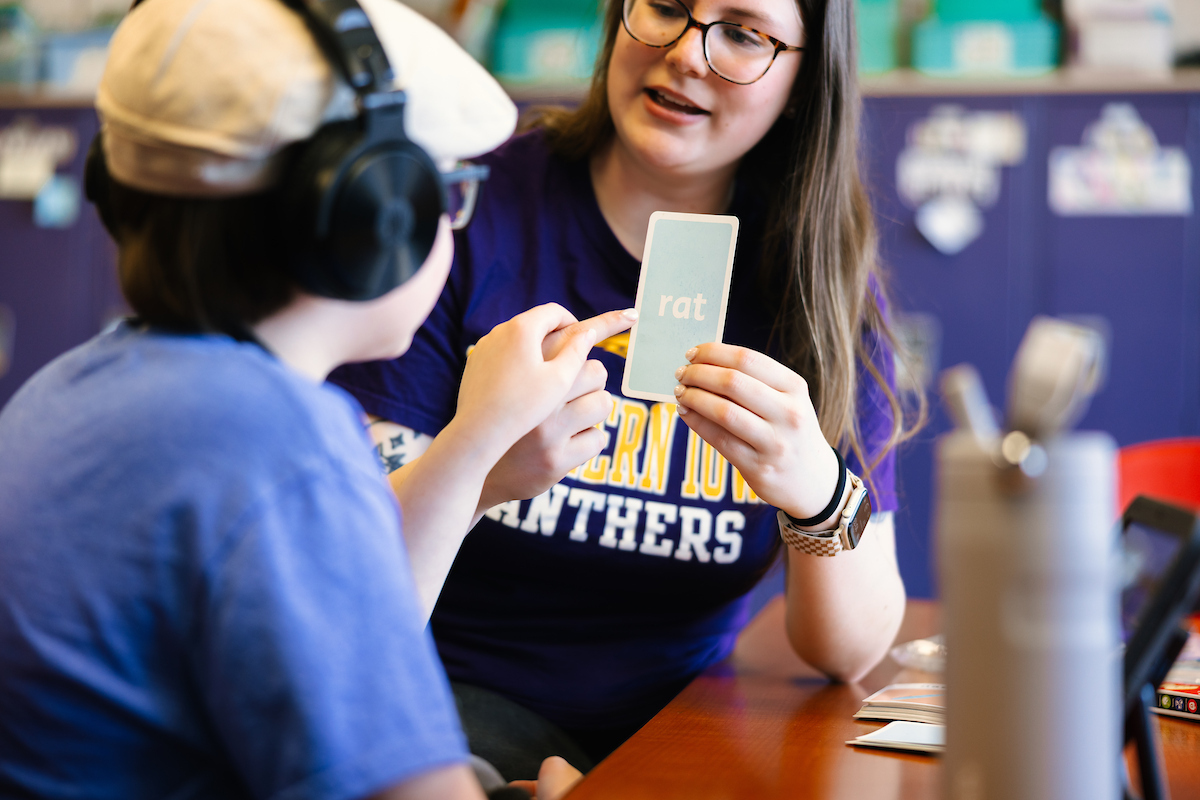 “Those who bring experience from general education bring a strong instructional foundation and a well-developed toolbox of strategies that can be incredibly powerful in supporting students with disabilities,” she said. “When that experience is paired with strong special education preparation, it strengthens the entire system.”
The Waterloo Community School District's Professional Development School partnership with UNI is an important part of that vision. The partnership, which provides education students with experience in dedicated classrooms in Waterloo, reflects the district's belief that effective special educators develop through both strong preparation and meaningful hands-on experience.
“I believe that when educators feel prepared, supported, and successful in their roles, the demands of special education become more manageable,” Allen said. “My hope is that we continue building systems that set both teachers and students up for that kind of success. Because when educators thrive, students do as well.”
The launch of the special and inclusive education major is just one step in the College of Education’s broader vision for educator preparation. While the minor in special education remains a popular complement for other teaching majors, faculty are exploring a potential dual endorsement pathway in elementary education and Instructional Strategist I — a move that could further prepare graduates to meet the needs of diverse learners and demands facing today’s schools.
Revitalized Council for Exceptional Children
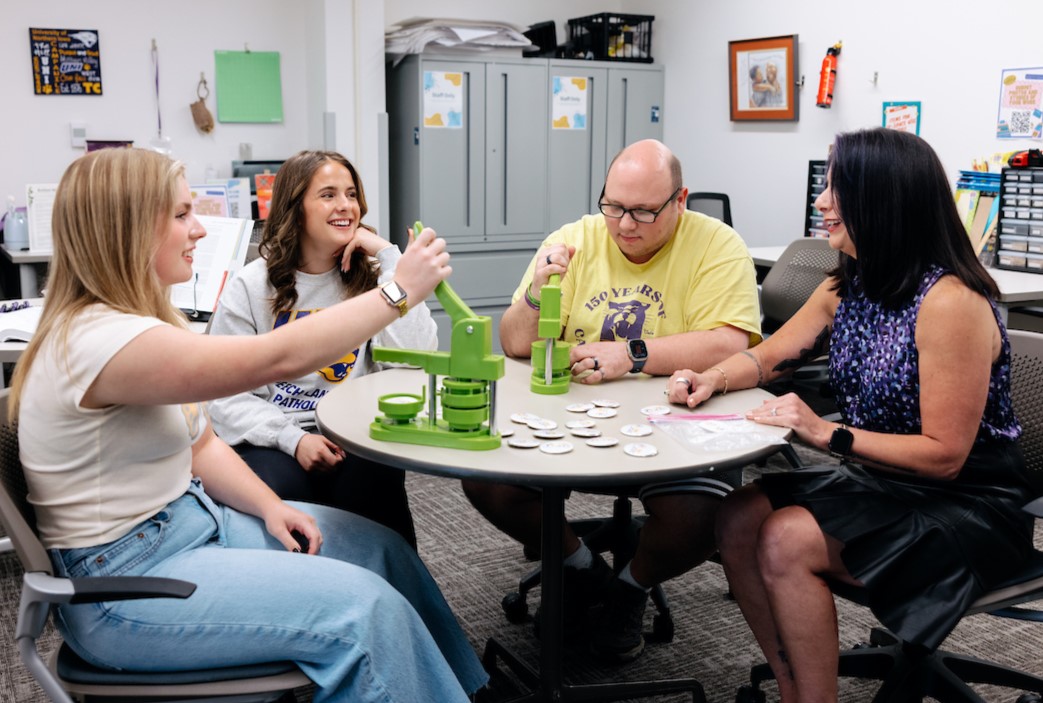 The launch of UNI's special and inclusive education major reflects a growing recognition that all educators need the knowledge and skills to support students with diverse learning needs. One example of that commitment can be found in the university's revitalized chapter of the Council for Exceptional Children (CEC).
CEC is an international organization focused on supporting people with disabilities, particularly students with disabilities and the educators who work with them. According to Tara Tedrow, assistant professor of instruction in special and inclusive education, the organization's mission aligns closely with the goals of the new major.
“Every teacher will eventually work with students who receive special education services or have diverse learning needs,” she said. “What’s good for students in special education is good for all students.”
In fall 2024, Tedrow noticed there were no active student chapters of CEC in Iowa, making it a priority to rebuild a presence at UNI. Her involvement in Iowa CEC leadership as a past president helped drive the effort. Today, meetings are held virtually to ensure online students and students with varying accessibility needs can participate.
Students involved in the organization gain access to a variety of professional opportunities through CEC membership, including webinars, training modules, continuing education opportunities and extensive professional development resources, many of which are available at no cost.
For Tedrow, the chapter serves as a professional community that helps future educators build the skills and support networks needed to create inclusive learning environments for all students — a goal that sits at the heart of UNI's new major.
All in the Family
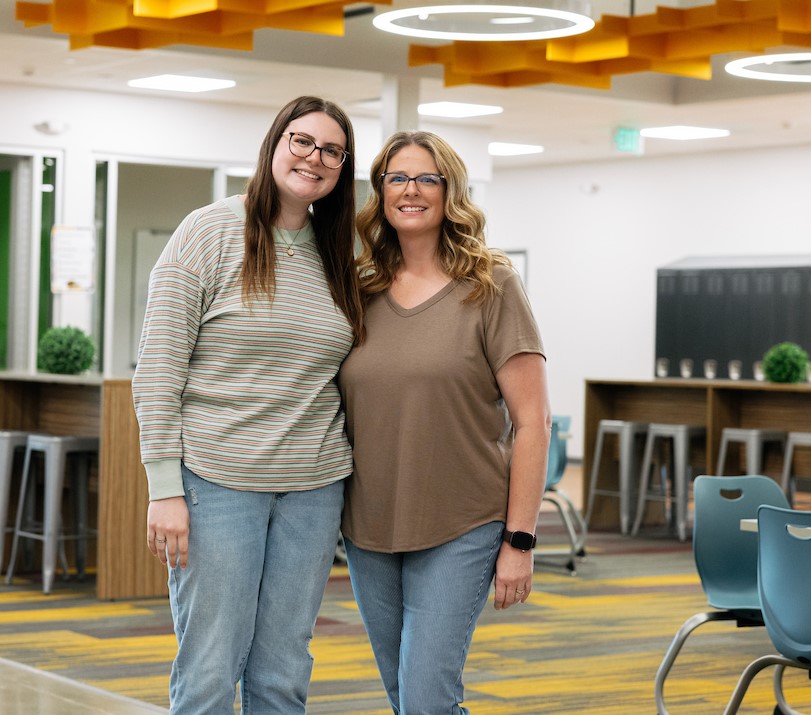
For Ashlyn Metcalf and her mother, Bobbi Metcalf, special education is a shared passion.
Ashlyn, a 2026 UNI graduate in elementary education with a special education minor, recently began a position as an instructional strategist at Waverly-Shell Rock (W-SR) Middle School. Bobbi, a 2001 graduate in K-12 mental disabilities, has spent years teaching special education at the middle and high school levels in the Denver Community School District. Together, they reflect on what drew them to the field, the importance of inclusion and what it has meant to support one another along the way.
What drew you both to special education?
Ashlyn: I grew up watching my mom practice her own passion of inclusion for everyone. We also have a couple family members who have special needs, so in my family, making accommodations came as second nature. It wasn’t something I ever had to figure out in the classroom setting. I was already used to making the world around us work for everyone.
Bobbi: My nephew, Taylor, was born when I was 12 years old. Shortly after his birth, it became evident that he was going to require extra support and love. Taylor was soon diagnosed with autism and there began my journey with special education. I wanted to learn everything I could about how to help him and others like him.
What’s it like having your mom’s support, who knows firsthand the realities of special education?
Ashlyn: She has been my biggest role model and cheerleader. I remember when I was first learning about IEPs (individualized education programs), I could ask her any question I had without fear. I knew that she was once in my place, too. It’s really the best of both worlds because she's my mentor teacher and my mom all in one.
What’s it like watching your daughter follow a similar path?
Bobbi: Special education has always been a big topic of conversation in our household, so it's a full-circle moment watching her begin her own journey into inclusive education. It actually feels less like she is following in my footsteps and more like she is creating her own path alongside me.
What excites you most about your new position?
Ashlyn: I’m very excited to take all the pieces of the amazing teachers and professors who have gotten me to this point and create my own space. W-SR has a huge focus on being student-centered and teaching the whole child. It excites me to be part of a school district that feels as passionately as I do about seeing students flourish in their own unique ways.
What changes in special education have you seen since becoming a teacher?
Bobbi: The biggest change I have seen is in acceptance and inclusion. When I first began teaching, the conversation was often centered around deficits and what students could not do. Over the years, I have seen a much greater emphasis placed on meeting students where they are, building relationships and helping them become confident, independent learners.
What benefits do you see by having this new major option for future UNI teachers?
Bobbi: As someone who has worked in special education for many years, it is encouraging to see universities investing in programs like this because schools truly need teachers who are passionate about inclusive education and who are equipped to meet the needs of all learners.