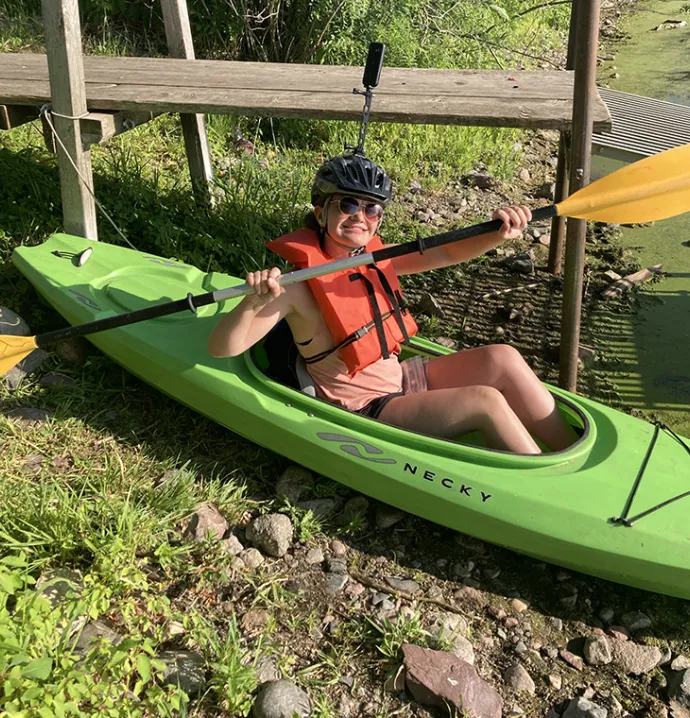
Senior Lindsey Hubbell got a summer job that allowed her to kayak on Lake Okoboji thanks to UNI’s GeoTREE center. And she’s not the only student at the center tackling real-world projects in the booming field of Geographic Information Systems (GIS).
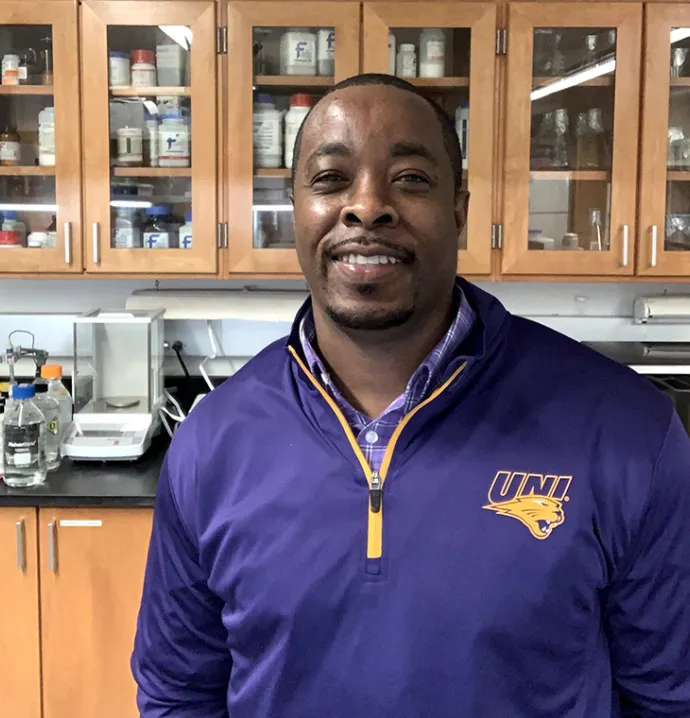
Jerreme Jackson’s journey as a Black man becoming the first member of his family to earn a doctorate degree was fueled by determination and perseverance. Now at UNI, he’s passing on those lessons to students from underrepresented backgrounds.
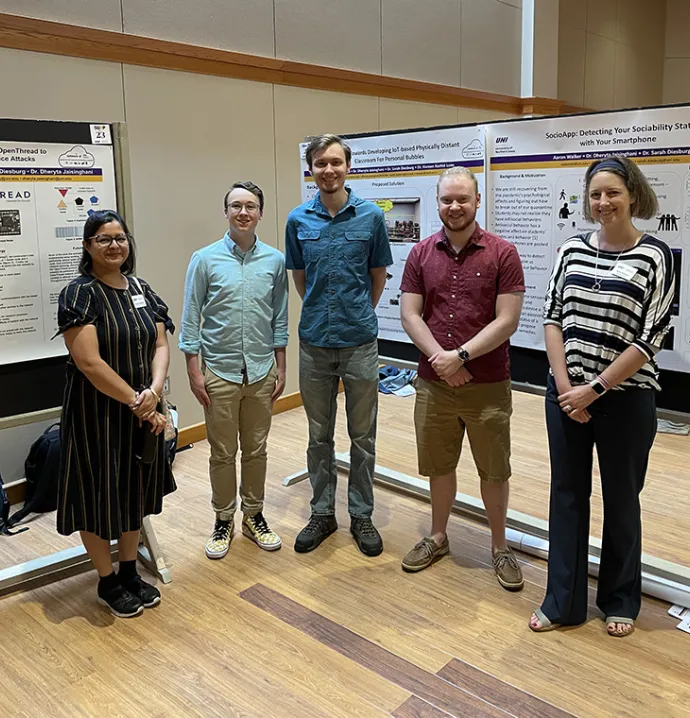
For Brandon Purvis, undergraduate research at UNI was a career-changing experience. A year-long stint as a researcher with assistant professor of computer science Dheryta Jaisinghani has him considering graduate school after they developed a preliminary system for enforcing social distancing guidelines in classrooms using the revolutionary field known as the Internet of Things.
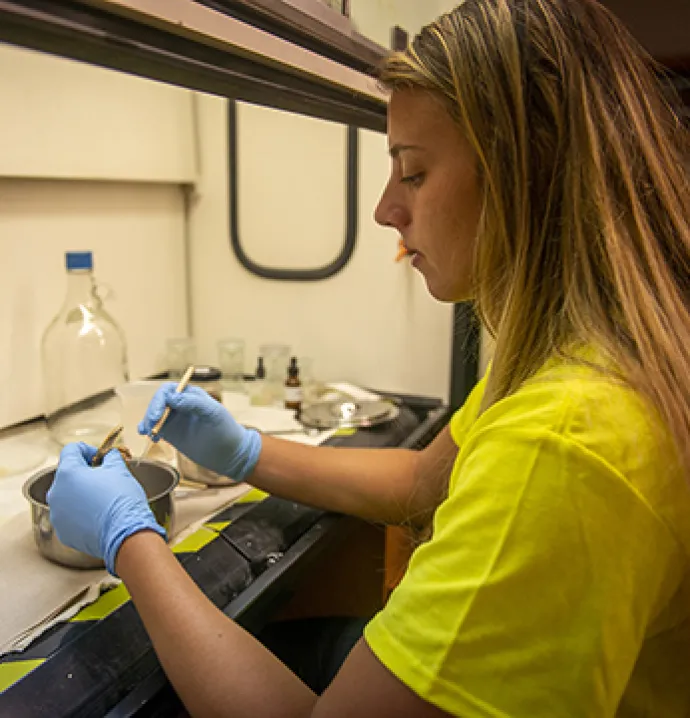
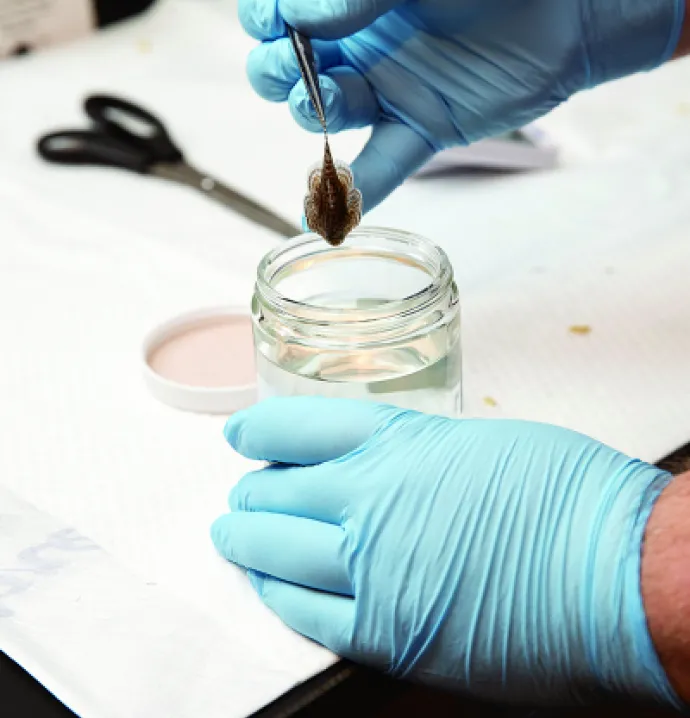
A group of UNI students is curating a collection of preserved crabs for the American Museum of Natural History in New York City that will help future researchers study the species and the human impacts on its habitat.
Imagine you could see right through an animal. You could examine its bones, or the way the muscles are structured, and see the wispy veins and arteries flowing through the animal right before you.
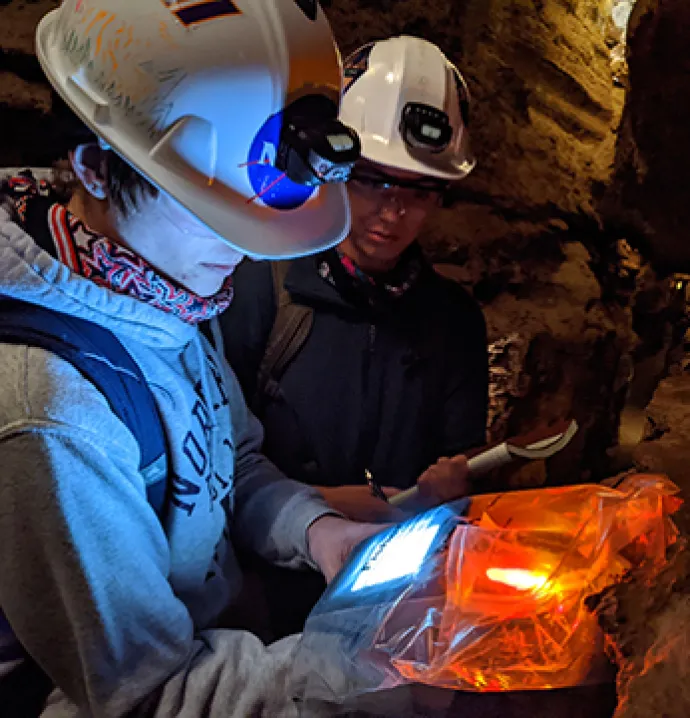
Led by nothing more than the soft glow of their lanterns, a crew of students from the University of Northern Iowa trek into the winding depths of Wind Cave National Park in South Dakota.
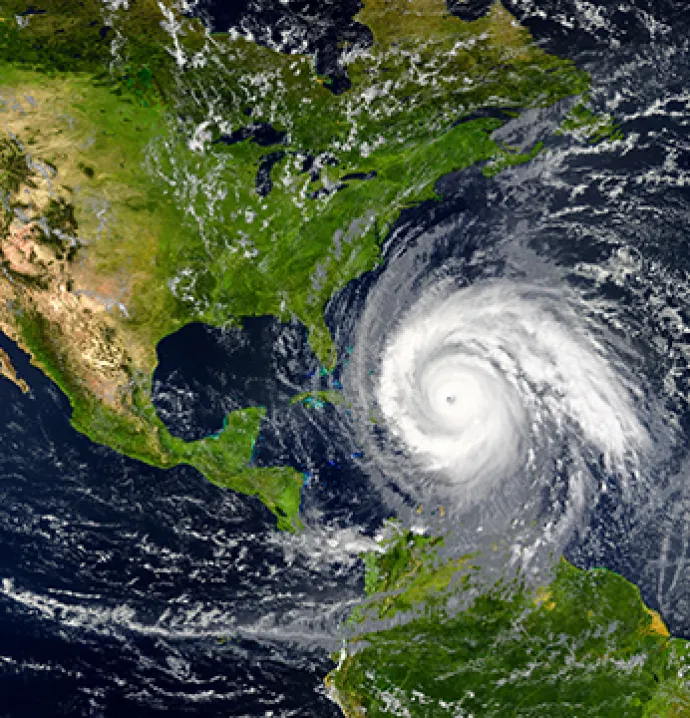
The southeastern states have seen a record-breaking number of hurricanes already make landfall in a year when the nation is also grappling with the COVID-19 pandemic. When researchers wanted to know how people would balance the danger of contracting the virus with the need to evacuate their homes, they turned to UNI professor Mark Welford for help. Welford, who heads UNI’s geography department, is also an expert on global pandemics like the medieval Black Death.
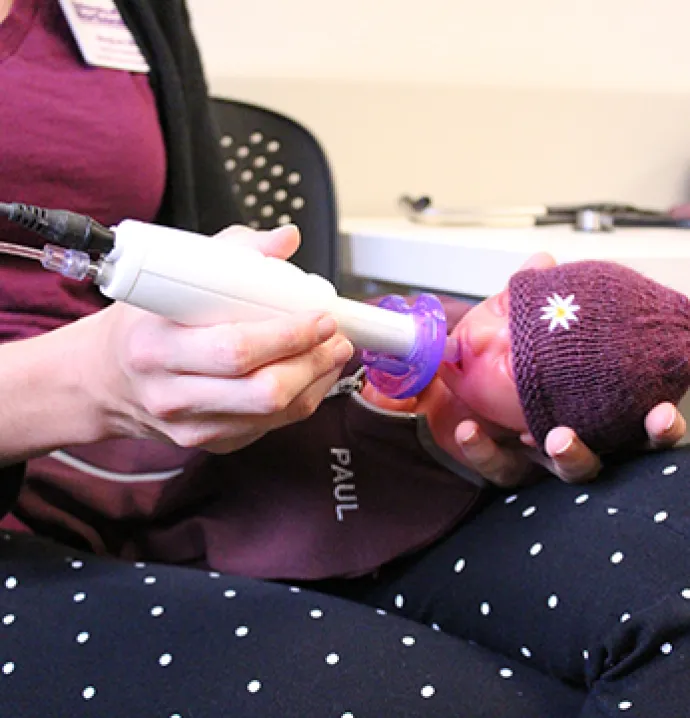
The UNI Department of Communication Sciences and Disorders has welcomed a new addition to their department: baby “Paul.”
Weighing just under two and a half pounds, “Paul” is a preterm infant born at 27 weeks. He has a pulse, real hair, and can breathe and cry.
Paul is not a real infant, though, but rather a top-of-the-line high emotion simulator that students in the department will soon begin using for classwork.